Google Career Certificates: Course design + animations and videos
As of 2022, seventy thousand Americans have now completed these certificates. They prepare people for high-paying, high-growth jobs in fields like data analytics, IT support, project management and user experience design. They are available to anyone, no college degree required. Seventy-five percent of graduates report seeing a positive impact on their career within six months, including a raise or a new job.
Course Design
This section explores course design samples Jaquan created during the design and develop stages of the Google UX Design Certificate, specifically Course 7 Design for Social Good and Prepare for UX Job. This includes the creation of:
Learning objectives
Lessons
Assets (e.g. video scripts, readings, formative and summative assessments, and self studies)
-
Module Description
In the final part of the Google UX Design Certificate, you’ll prepare to find a job as a new UX designer. You’ll start by making final adjustments to your portfolio to ensure it’s ready to share in job applications. Next, you’ll examine the UX design interview process and develop strategies to succeed in various types of interview: pre-interview research, an elevator pitch, a phone screen, a portfolio presentation, a whiteboard exercise, a take home design exercise, and more. Finally, you’ll explore the world of freelancing by creating a business plan and learning how to land your first client.
Learning Objectives
Prepare a UX portfolio website for job interviews to make a good impression
Define best practices for successful interviews
Demonstrate how to build rapport with interviewers and plan to answer questions
Research and practice responding to common interview questions
Describe the purpose and structure of panel interviews and whiteboard exercises
Develop plans to present portfolio work as part of an interview process
Describe how to start your own freelance UX design business
Develop an elevator pitch for speaking with recruiters and potential employers
-
Lessons:
Lesson 1: Prepare a UX portfolio for job applications
Lesson 2: Prepare for UX Interviews
Lesson 3: Answer interview questions
Lesson 4: Develop an elevator pitch
Lesson 5: Ace whiteboarding and panel interviews
Lesson 6: Pursue freelance UX design work
-
The assets below relate to Lesson 1: Prepare a UX portfolio for job applications
Video 1: Welcome to week 5
In this part of the course, you’ll make final adjustments to your portfolio to ensure it’s ready to share in job applications.
Video 2: Prepare a UX portfolio for job applications
The way you position your portfolio and the design choices you make on your site will help communicate your identity as a designer and how you'd like to be evaluated as a potential hire.
In-Video Quiz 1: 1 question on the goal of a portfolio
Reading 1: Tailor a portfolio for types of jobs
Portfolio Checklist as a Template
Google UX design portfolio tips
Discussion Prompt 1: Share UX portfolio tips
Share any portfolio tips you’ve found from your own experience so far.
Assessment: Practice Quiz 1: Test your knowledge on UX portfolios
3 Multiple Choice Questions
Activity 1 and Exemplar: Finalize your UX portfolio for job applications
Animations and video samples
As the Visual Media Lead, Jaquan supported the launch of 5 Google Career Certificates (and counting). Joining as a writer in September 2020, Jaquan duties included developing video scripts. After a year, Jaquan became the program’s instructional media lead (similar to a learning experience designer). This included supporting animation production by overseeing the creation of 1,700+ animations and graphics and fulfilling some project management duties.
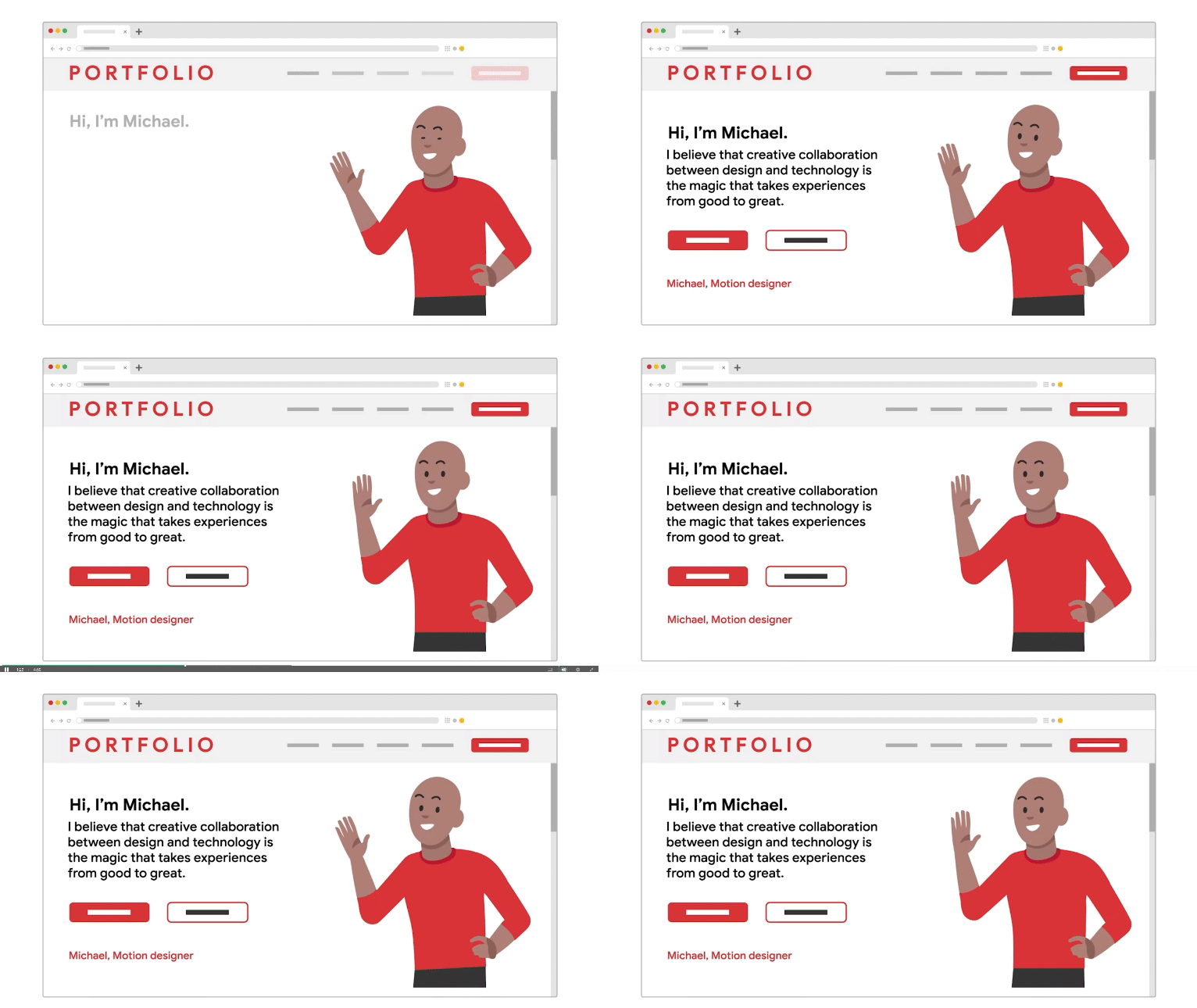


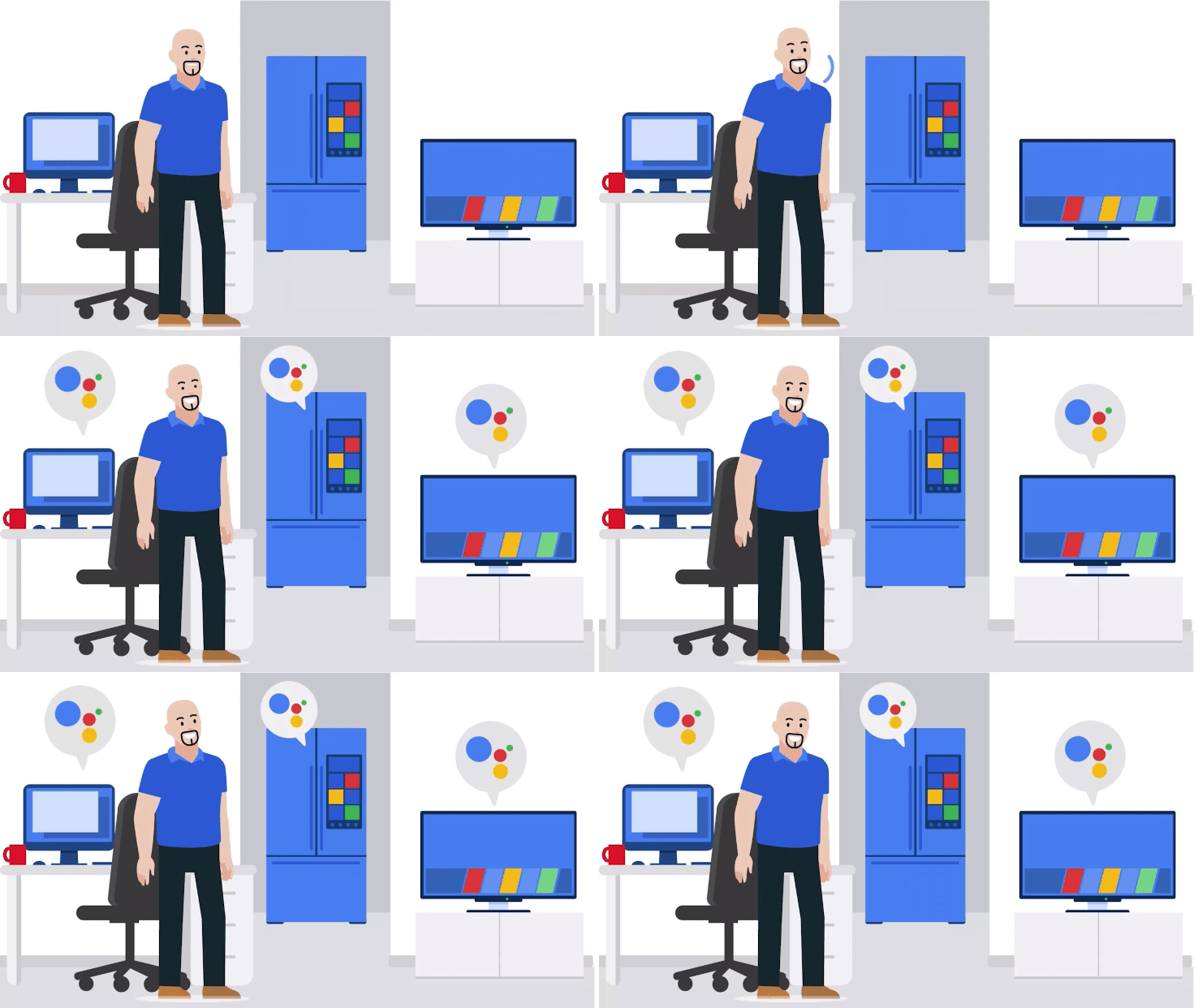


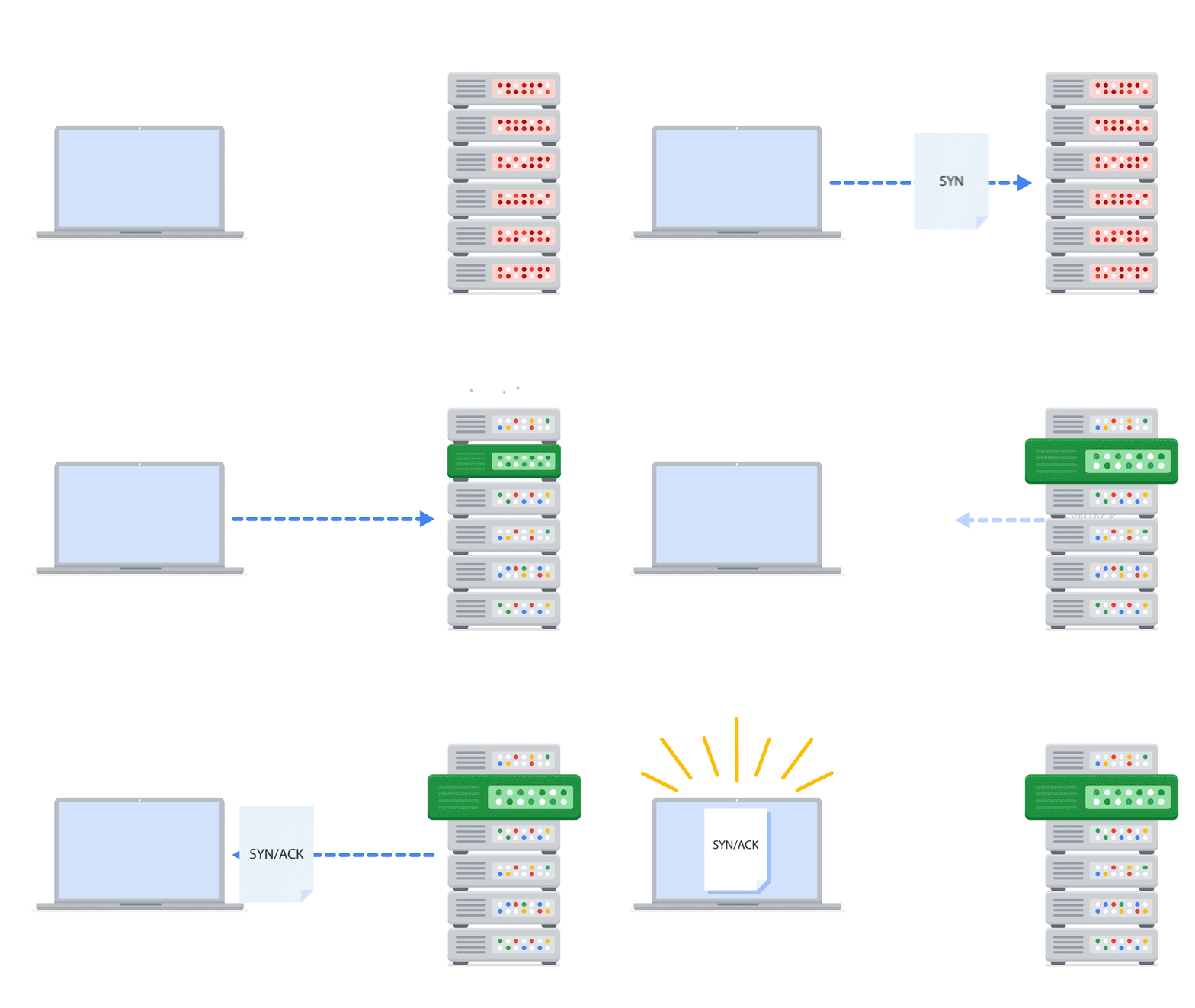


Video Samples
Taking the online course into the classroom
Higher education institutions are offering Google Career Certificates to help students develop skills to start or advance their careers in high-growth fields. The certificates can complement degree programs, helping increase graduates’ earning potential and, through college credit, create accessible pathways to earning a degree, helping attract new learners to your school.
To help facilitate this process, Jaquan supported the creation of College guides which involved translating courses into in-person learning aids, including independent coursework, simulations, role-plays, coaching, and games.
According to research by Coursera, a majority of recently surveyed college students and new graduates nationwide said earning an industry micro-credential will help them stand out to employers.